Dr. Jordan D. Salmon
Interview with Dr. Jordan D. Salmon, MD
Topic: Direct Primary Care That Puts You First | Dr. Jordan D. Salmon on Proactive, Personalized Medicine
Discussion Details:
In this Next Level Spotlight Series interview, Dr. Jordan D. Salmon of Health Rising Direct Primary Care explains how the Direct Primary Care (DPC) model delivers faster access, transparent costs, and a genuine doctor–patient relationship. Hear his personal health journey (including a 65-lb weight loss), why proactive prevention beats reactive care, and how partnering with physical therapy supports longevity, strength, and real-life goals.
Benefit of Watching:
You’ll learn: How DPC works (text-your-doctor access, same/next-day visits, smaller patient panels)
Small daily habits that drive big improvements in weight, blood pressure, and metabolic health
Why accountability, education, and team-based care (PT + DPC) create lasting results
Address of guest’s business:
9240 N Sam Houston Pkwy E Suite 201, Humble, TX 77396
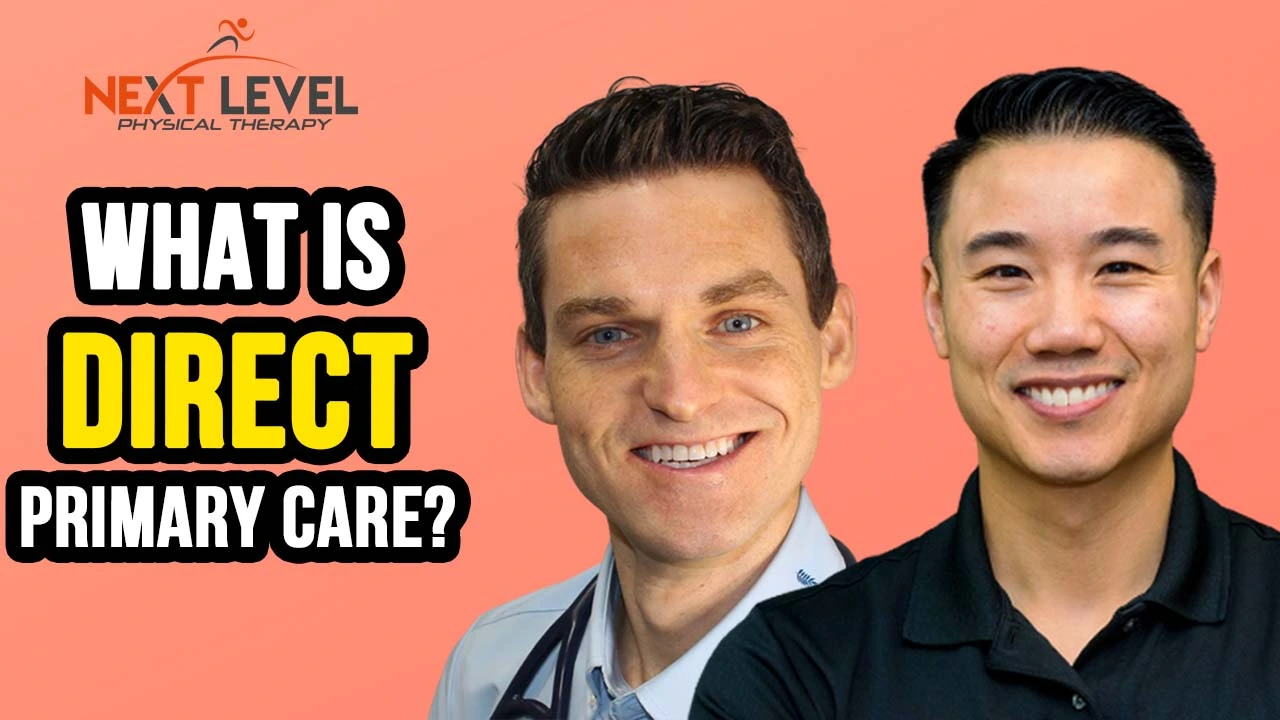
Dr. Jack Wong: All right, welcome back to our spotlight provider series. Today I got a special guest on the show. This is Dr. Salmon with Health Rising Direct Primary Care. Welcome to the show, Dr. Salmon.
Dr. Jordan D. Salmon: Thanks. It’s good to be here.
Dr. Jack Wong: Yeah. So, you know, you’re very unique in that you have a direct primary care uh practice. So, not a lot of people know what that is. So, can you just start off and know tell the viewers about your story and what kind of led you to start Health Rising Direct Primary Care?
Dr. Jordan D. Salmon: Uh, yeah, love to tell that. So, um, I’m a family physician. I actually was in the Air Force for a time, which was great. And, uh, I I got to a point where my health though wasn’t where I wanted it to be, um, as a physician, which was kind of embarrassing. And I was I was obese. And then I was struggling with my mental health and things weren’t really kind of what I had hoped they would be. I was working in the emergency room at the time with the military. Um, so I started kind of changing my health and revamped a lot of things. Ended up losing 65 pounds, felt way better. And at the end of that, I realized I wanted to help people in a different way. And I didn’t feel like I could do it in the insurance-based model because a lot of what I try and do is a lot more uh kind of time inensive relationships. You know, it takes time to work on, you know, weight loss doesn’t happen in a day, right? And a lot of these things that we try and work together with my patients on. So, um, I heard about the direct primary care model, which was something that was really cool to me and and thought I would give that a shot for kind of the way that I would approach medicine.
Dr. Jack Wong: That’s a very awesome story. How many years have you been practicing until you created a young clinic?
Dr. Jordan D. Salmon: Um, so our clinic is is very new. We’re in Umbul. We’ve been only for two years. Um, but medicine, you know, I was in the Air Force for a couple years. Um, you know, a long time actually. And so I’ve been in medicine for a while.
Dr. Jack Wong: Awesome. And what makes your practice different from a traditional primary care clinic? Yeah. So, in the direct primary care model, what we’re able to do is provide a more personalized relationship with our patients. So, each of our patients have a direct line to me. So, we can even text and phone call um sometimes after hours kind of troubleshooting issues, determining kind of what they need to do. Um we’re able to have more of a relationship based medicine and work with them on on some of those long-term goals that we’re hoping to reach. And we uh the way that we’re able to do that is by having a smaller empanelment. Right? So the typical insurance-based primary care clinic has, you know, 2,000 plus patients per physician and our numbers are significantly lower than that so that we can provide a different level of service to the patients that we do have.
Dr. Jack Wong: That’s very awesome. We get a lot of patients who are looking for a, you know, higher level service and the opportunity to build relationships with their physician, right? So, I think you hit the nail right on the spot for people that are looking to have that rapport with their physician and really get to know them instead of, you know, seeing a doctor, a different doctor every time they go into, you know, a medical practice. So, I definitely can resonate with kind of what you’re doing at your practice.
Dr. Jordan D. Salmon: Yeah, definitely.
Dr. Jack Wong: Would you say you have a ideal patient and what kind of problems do you help them solve?
Dr. Jordan D. Salmon: Yeah, I think some of our ideal patients would be a lot of people that are just kind of feeling stuck, feeling like they’re struggling with the current system. Maybe they’re being bounced around a lot to a lot of different physicians or or feeling like they’re see they’re seeing so many physicians that they’re not even sure what’s happening with their own health. Those are patients that we can really kind of sit down, develop a plan, um kind of review everything that’s going on, and have a more of a a long-term plan for their health and be able to start making some progress in improving some of their health concerns and and really being more intentional about uh you know, taking health back into their own hands. I had a patient, a mom who texted me, she needed stitches done. I had her in our office, stitches done, walking out the door within 40 minutes of that first text being sent. So when people experience that, they’re like, “Oh, like this is what you do. Like I love this. Like this is what I’ve been looking for. This is what I want.” Right? And those are kind of aha moments are awesome for me because that were kind of just like a different model for uh receiving healthcare services. And so when people get those experiences or like another patient of mine, you know, he had some stuff going on and we got him in immediately for some blood work. We found some abnormal labs that if he hadn’t come in, he would have been in the emergency room within a few days, right? And so we started him on some meds and fortunately we were able to, you know, avoid an emergency room visit, right? That’s a lot of money to go to the emergency room. And to avoid that visit, you know, I don’t know what that value is, right? Having that relationship and the availability of like same day appointments, that’s something huge that patients love and and it helps it helps spread the word of like, oh, I love this model. This is working great. So, those kind of stories and experiences really help. When you have a smaller empanment, you can give that one-on-one time. It helps them be more accountable. And then you can like start working on stuff. And I can ask them again like, “Hey, last time we talked about sleep. How’s your sleep going?” And they’re like, “Yeah, I know you told me to do this. it’s not working and it’s like all right perfect let’s try and figure that out and work through it right and then we’re able to like go again and try again and that’s that’s how it is to be human right as a human we’re continually like failing and failing and messing up and like trying to get better and then like life happens and it goes out the window but then you just get back at it get back at it right and that’s how we grow and that’s how we get better and and having that relationship that that accountability you know that’s what helps us grow and helps things work the way that they should work I
Dr. Jack Wong: Yeah, that’s awesome. Accountability is huge. Um, and I think a lot of times it’s not for some of our patients like it’s not that they don’t know what to do, it’s they don’t they need accountability to do the thing they need they know they need to do, right? And some of them are just clueless, but you know, you get both sides of the coin. I’m pretty sure you do as well. Now, is there such a thing as an ideal first session with you as a new patient?
Dr. Jordan D. Salmon: Uh, what what do you mean by that?
Dr. Jack Wong: Like if someone say, “Hey, I want an appointment.” Um, how will that process go?
Dr. Jordan D. Salmon: Oh, so, so if they want to join or or
Dr. Jack Wong: Exactly.
Dr. Jordan D. Salmon: Yeah. So, so patients that want to join, there’s a number of different ways that they can join, right? Our website, they can jump on and and fill out the forms and then and then they’ll get in. We usually can get patients in same or next day, right? Um maybe not as well for uh new patients, but for definitely for patients who are current members, we get them in same next day. Um but for new patients, you know, we can they can even call us and we can schedule them. uh things like that.
Dr. Jack Wong: Awesome. And what are some of the biggest health mistakes that you see people make that hurt them in the long run?
Dr. Jordan D. Salmon: That so that’s a great question you know and and I think it’s one of the challenges that we have in medicine. A lot of times what we do in medicine is we kind of try and do everything for our patients. Um and in doing so sometimes we forget that there’s a lot that patients can do on their own right and and so I try and help patients recognize that balance between what we do in medicine and what they can do at home. And what I see a lot of times, especially now, there’s there’s a lot of stress, right? A lot of people are under a ton of stress with work and life and people are just they try and kind of revamp everything all at once when they’re trying to make changes in their health and they’re like, “Ah, my health isn’t where I want it to be.” And so they they try and change everything at once. Oftentimes what happens, they get burned out, it doesn’t really work well, and then they don’t stick with it and then they kind of like give up a little bit. So I try and help patients to scale back and just just when you’re making like decisions with health that you’re working on very small things, right? So just simple things like, hey, you know what? Let’s try and get more vegetables in our diet. Very simple, you know, just come up with a really specific plan on how you’re going to make that happen. And those small changes can lead to big results in terms of improving blood pressure control, you know, helping with our our diabetes control, um, decreasing our risk of heart disease, a lot of the the basic things that people really want, you know, for their long-term health. It really comes down to trying to be intentional about really small, simple steps to get us uh long-term results.
Dr. Jack Wong: Yeah, I love that you said that because we can really resonate what you’re saying because when it comes to our world is really no different. Like we get a lot of patients that never exercise a day in their life and now you know they have some aches and pains and we’re teaching them some concepts and you know of course everybody wants to get there tomorrow right but you know just like you mentioned you don’t get overweight yesterday it took time to get to this point like you didn’t get back pain yesterday for the most part right we’re not like a hospital system or ICU like you had this for some time it’s going to take some time to start learning what your body can or can’t do in the meantime and just starting one thing and then you just compound the fact one step at a time. So I really love that you um use that concept on your side because we use that same mindset in our world as well.
Dr. Jordan D. Salmon: Yeah, absolutely. That’s great.
Dr. Jack Wong: So if someone listening today could just make one or two small changes to dramatically improve their health, what would they be?
Dr. Jordan D. Salmon: I I think probably one of the first things that I would say patients should do is just make the choice to do something, right? And and that sounds very simple, but a lot of times, you know, we we just like drag our feet about making the decision to make health a priority, but if you say, you know what, I want to do something and I’m going to start and then that can put you on a trajectory of like making a lot of small changes, right? That’s kind of how my my weight loss journey began. we were just starting really small things. So making that decision that I’m going to do something, I’m going to be intentional about my health and then and then decide kind of within the the different aspects of health kind of depends on what your big challenge is, right? So if you’re struggling with your weight, then making a really small decision about nutrition, right? I’m going to try and, you know, decrease the the size of a meal that I that I consume. If you’re struggling with mental health, right, then maybe it’s a decision of, hey, you know what? I’m gonna intentionally connect with some loved ones and put down my phone for, you know, every day for a period of time, right? Or get outside. Um, and those are big things that can help with mental health. Um, and weight is another one that a lot of people are struggling with today. Um, but if it’s like a chronic disease thing, then it can be simple things that you’re just like, hey, you know what? my my chronic disease is really affecting my health and so I’m going to make sure that every day I’m doing one small thing that will help improve my my disease process, right? And sometimes that might require someone to talk with their physician about what those actions might be and those are things that we try and work with patients on.
Dr. Jack Wong: That’s awesome. Kind of like my concept of like 1% better every day.
Dr. Jordan D. Salmon: Yeah, I love that. That’s a great concept very much.
Dr. Jack Wong: No, I love that. So, how do you see physical therapy and direct primary care working together to help patients achieve lasting health?
Dr. Jordan D. Salmon: You know, I think that physical therapy and a lot of what they they do in physical therapy is really helping people to optimize their their physical health, right? A lot of their their muscular skeletal aches and pains. Um, and especially some patients I see them with like there there’s a lot of uh today a lot of people are are very health conscientious. We’re we’re very much trying to get into wellness and longevity and uh people want to have the best bodies and strongest bodies that they can have and that takes, you know, a good physical therapist who understands that, understands what it takes to get there and works with someone on a long-term basis. And so from our perspective, what we do in the in the direct primary care model is a lot of that that chronic health, you know, dealing with the those health care decisions that will help your long-term metabolic health, so to speak, you know, and high blood pressure and things like that. And and you really need that interplay of of those two coming together, right? Um because especially a lot of those disease processes require that patients have the physical fitness to be able to get out to exercise to you know be engaging in those steps that will really improve their overall health and so they need that they need that balance together.
Dr. Jack Wong: Oh, it’s my couldn’t set in better words. I think it takes a a village, right? So, I think when you surround yourself with good providers and practitioners, you’re giving the patient um a well-rounded team essentially to get them to where they need to go, whether it’s obesity or chronic issues and and such things like that.
Dr. Jordan D. Salmon: Yeah, for sure.
Dr. Jack Wong: Awesome. So, what is your vision for the future of healthcare and how does your practice help lead that change?
Dr. Jordan D. Salmon: Yeah, I think this is a really good question. So, one of the struggles I see today with our healthcare system is I I think this is unfortunately due to the way that insurance does reimbursements. Sometimes we get into this model of kind of a reactivebased health care where we think that if I have insurance, I’m healthy, right? That’s kind of like thinking if I have auto insurance, I’m a good driver, right? I mean, it it doesn’t really mean that you’re a good driver. It just means that you’re covered if there’s a really bad thing that happens financially, right? That’s the way that health insurance is. And so, we really need to transition to more of a proactive type of healthcare where we say, you know what, I want to be proactive and prevent a lot of things that could occur. And I want to be engaged in improving my health and taking steps every day that will get me to, you know, have the healthiest body that I can have. And so we’re doing that outside of the insurancebased system because that insurancebased system kind of is that a little bit of a reactive medicine where it’s like, well, let’s just wait and if something bad happens, you know, we’ll be okay. But that’s not really working very well. We’re seeing a lot of our the disease of of the United States is is progressing. We’re got to have a lot more progression of of health concerns and diabetes and obesity, right? and and we need to be more engaged in that process and be uh take take health back into our hands so to speak and that’s how we are trying to do it in the direct primary care model.
Dr. Jack Wong: That’s awesome. Would you say most of your patients start with you because they leave the traditional insurance-based uh medical model and then they come to you and then you get them good and then you eventually transition to a prevention program.
Dr. Jordan D. Salmon: Um I I would say what happens is you know the insurancebased system a lot of people we still need that right. I mean, I can’t I can’t help people that are having a heart attack or that get cancer, right? There’s there’s a need for that insurance-based system, but a lot of people, I think, just want the convenience and as well, a lot of the, like you said, the proactive prevention, right? People are thinking a lot more about their health and they’re real, you know, we’re seeing, you know, our loved ones that are struggling with their health from maybe a lifetime of some not so great decisions and so people are wanting to be more engaged and and prevent things. And so, yeah, that’s what we work with patients on and we get them into that process and and help them to, you know, lose weight and and improve their overall health and and we’re seeing great results. I mean, some patients are their diabetes is going away, right? And we’re taking them off medications, which is phenomenal to see, and I love being able to do that for my patients. If I could create my ideal practice, it would be very much like longevity minded where we would be very much like, you know, continually proactive, engaging in like regular lab work, being like really intentional about like, you know, optimizing our health in in all aspects.
Dr. Jack Wong: Yeah.
Dr. Jordan D. Salmon: And I’ I’d love some kind of a model where we have like a physical therapist engaged on a regular basis that’s like helping someone improve their longevity, working on like the whole fitness model. I don’t know if you’ve heard of Peter Aia. You heard of Peter Aia?
Dr. Jack Wong: Yeah.
Dr. Jordan D. Salmon: So, very much a lot of the things that he talks about, right, where it’s like, hey, we’re working on like the the full body, right? We’re becoming a what do you call it? The decathlete or whatever, you know, the people who are just like they’re not the best at like one small thing, but they’re really good at so many things. And that’s what helps, you know, improve longevity and get hopefully gets us to have as long and as healthy of a life as possible. Um, so I don’t know if you guys do very much of that or if a lot of what you do is just kind of the basic traditional insurance-based like, all right, you got an injury, bring you in, do the assessment, do the treatment plan, get you through the treatment plan, and then on your way. Um, I don’t know that there are physical therapists that are engaging in like, hey, let’s do like the more of the long-term um, and there may not be a huge demand for that. I think there should be. I think that’s what a lot of people should want, right? And that’s what we should all be like striving for. Mind you, my my world is health, right? That’s all I think about all the time. And so, you know, I recognize that not everyone else thinks that way, but I think we as a nation and as a people, we need to be thinking about health more often and we are just not living very healthy lives. And so, um, you know, we need to just be engaging more in in making health a priority.
Dr. Jack Wong: No, absolutely. For sure. So I just can give you a little like insight into our facility. So yes, usually people come in through our doors when they have some sort of injury or they’re coming out of surgery, right? That’s like the rehab and physical therapy side of things. However, once they graduate from physical therapy, we have what we call a a wellness program and those are for people that want to take it beyond just rehab. So those are like, hey, I want to go hiking with my family in a month from now, right? I want to live longer. I don’t want to fall again, right? and get back to when I first start off with you guys. So, we have a gym in our facility where we do, you know, coaching with, you know, the individual that we have in front of us on specific things that’s relevant or important to them. So, the wellness program is not like a template where we give a sheet of paper with exercises. It’s more like what do you want? Right? For someone, it’s like, I just want to be able to play my dog or I want to lift my grandchild this weekend when I take them to the ball game. Right? For some people, it’s like, oh, I want to go hiking next month. So whatever their specific goal that gives them meaning, that’s what we work on, right? And that’s one of the love that what we call lifestyle goals, right? But in order to get them there, you have to get them out of pain, get them to do everyday stuff, which insurance typically covers. And then we get them into the fun stuff, which that’s what real people want. They don’t want this stuff. This is boring. They want to do the fun stuff. And that’s kind of what the transition we get them to to get them to um the stuff that gives them meaning in life essentially.
Dr. Jordan D. Salmon: Yeah. No, that’s awesome. I didn’t know you did that. So yeah, that’s exactly the type of things I’m talking about, right? That that wellness program that like, hey, yeah, I’m painfree, but and that that’s where sometimes people like stop thinking about their health when they’re painf free, right? Until they get a lab that says, hey, you’ve got diabetes, they don’t care about diabetes, but then once you have diabetes in front of you, then it’s like, oh, I didn’t want this. Now what do I need to do? Right? And that’s when the people really start engaging in it. But ideally would be to say, hey, you could get diabetes. Let’s prevent that, right? And that’s kind of what you’re talking about. And I think that’s what we need more of. And that’s what’s really going to help. I think our a lot of our challenges from like a a nation, our our health of our nation, it’s really struggling with that where we’re we’re we’re waiting we’re waiting for bad stuff. And if we are putting time and money into like preventing issues, it’s way cheaper. It’s tons cheaper, right? you can, it’s way more affordable medicine, right? As opposed to like let’s just wait and then you know you have a heart attack that’s super expensive, right? Preventing a heart attack, that’s cheap, but um it takes work and so helping people engage in that work is that’s hard.
Dr. Jack Wong: Yeah, for sure. I always tell patients like it’s gonna you have to work either way. Either you work smarter and it doesn’t take as long on the front end or you work way longer because things already happen. Which one would you rather do? Yeah. And when you feel like that, they’re like, “Oh, yeah. You’re right.”
Dr. Jordan D. Salmon: Yeah.
Dr. Jack Wong: It’s education uh 101, right? That’s why, you know, you seem to me like a a big educator of your patients and we try to, you know, go out and community and educate the public as well. So, they almost have to you have to change your perspective on the whole situation, right? Like you said, we’re outnumbered where people are just being more reactionary the whole situation versus like, hey, you know what? My friend went through that. I don’t want to go through that. what can I do now to ensure that doesn’t happen or my chances of that happening is like slim to none. Right.
Dr. Jordan D. Salmon: Yeah.
Dr. Jack Wong: So, I love that you brought that up. So, if a patient is listening right now feels kind of stuck, what encourage what encouragement would you give to them right now?
Dr. Jordan D. Salmon: I would say the most important thing that you remember is that you’re human, right? Being human is it’s really hard, right? And it’s a struggle. And we try and do things as humans and we’re not like computers, right? We’re not like AI. AI is so fast. It just happens immediately. And we want ourselves to be like AI, right? We’re like, why can’t I get this right? Why can’t I, you know, do what I’m trying to do and and improve my health like I hope to. But you got to recognize like you’re not a computer, right? You’re like nature, right? And when you look out and you see trees growing, the pace that they grow from day to day, it’s almost like you can’t even tell there’s a difference, right? But over years you see you know things grow and that’s how we are as humans. So we have to be patient with ourselves. Give ourselves a lot of grace in the process of change and just be intentional that you try and you try again but remember that you’re human. So don’t don’t hold yourself to the AI standard right of change.
Dr. Jack Wong: Yeah, I love that you mentioned that because you know in this day and age, right? You could click two buttons and you get deliveries to your house like same day, right? Your body doesn’t work like that. Um, we talk a lot about habits in our facility when it comes to teaching concepts and exercises. And I’m pretty sure you address a lot of habits that you have to, you know, turn from what they’re currently doing to new habits to get them to where they got get to in the health journey. So I totally understand where you come from, but you know the world around us is not how our body naturally um acts. So we have to almost have to be intentional about what our body is doing and you know be intentional about our habits and what we do every day to get us closer to the the goal, right?
Dr. Jordan D. Salmon: Absolutely. Yeah.
Dr. Jack Wong: All right. So if someone wants to learn more or connect with you, what is the next best step?
Dr. Jordan D. Salmon: Yeah. So we have a website. So you can always check us out on our website. That’s healthrisingdpc.com. Uh you can if you want to come into our office, you can come into our office. We’re on the beltway in South Um so at 9240 North Sam Houston Parkway East and we’re upstairs. Uh we share the share the office with the dermatologist here and or you can just give us a call or even a text at our phone number. That’s 281-318-5354. Um so always happy to answer the phone call, talk with people and and explain what we do. We offer a free consultation because it is a very new concept this direct primary care model. And so we’re happy to just sit down, talk about what it is, what we aim to do, and if it’s not for somebody, that’s fine. We understand that and we can do that free of charge.
Dr. Jack Wong: Awesome. So, in order to get that free consultation, do they just text you or call your number or they have to
Dr. Jordan D. Salmon: Yeah, absolutely.
Dr. Jack Wong: Okay. Awesome. Well, thanks for doing that. I’ll definitely share that with um you know our audience and our patients who are looking for something a little different from the traditional uh insurance model. My last question is is um if you were to be remembered for one thing, what would that be?
Dr. Jordan D. Salmon: I think it would be that I loved my patients, right? And and I just worked hard to try and help them improve their health.
Dr. Jack Wong: That’s awesome. You know, I think some, you know, we get patients all the time that come from, you know, different doctor’s offices and and, you know, they tell me straight up like, you can tell when someone generally cares about, you know, their patients, right? And one of lessons I learned early in my career is, you know, in order, one of my early mentors would tell me, um, as much as you know or what you will gather information throughout your career, um, people care first that you care about them. You know, and I think that’s one of the the skills that, you know, most great health care providers have is when a patient can feel like this person might not have all the answers, but they generally care about what I have to say, who I am as a person, and I’m willing to work with this person until they find an answer for me. And I think that’s a very important skill that any, you know, of our providers that we refer our patients to have. And I’m glad that, you know, I get the same vibe from you from our conversation today. So, I’m glad to meet you and um bring your story to to our audience and stuff like that.
Dr. Jordan D. Salmon: Yeah. Thank you so much for having me on. I appreciate it.
Dr. Jack Wong: For sure.