

Dr. Drake Lebrun
Interview with Dr. Drake Lebrun
MD, MPH
Topic: Top Questions To Ask Before Knee Surgery
Discussion Details:
Learn the Top Questions You Should Ask Before Knee Surgery
Benefit of Watching:
Learn the Top Questions You Should Ask Before Knee Surgery and How a Surgeon Determines If You Need Total Knee Replacement
Address of guest’s business:
22751 Professional Dr Suite 250
Kingwood, TX 77339
Phone: 346-615-9391
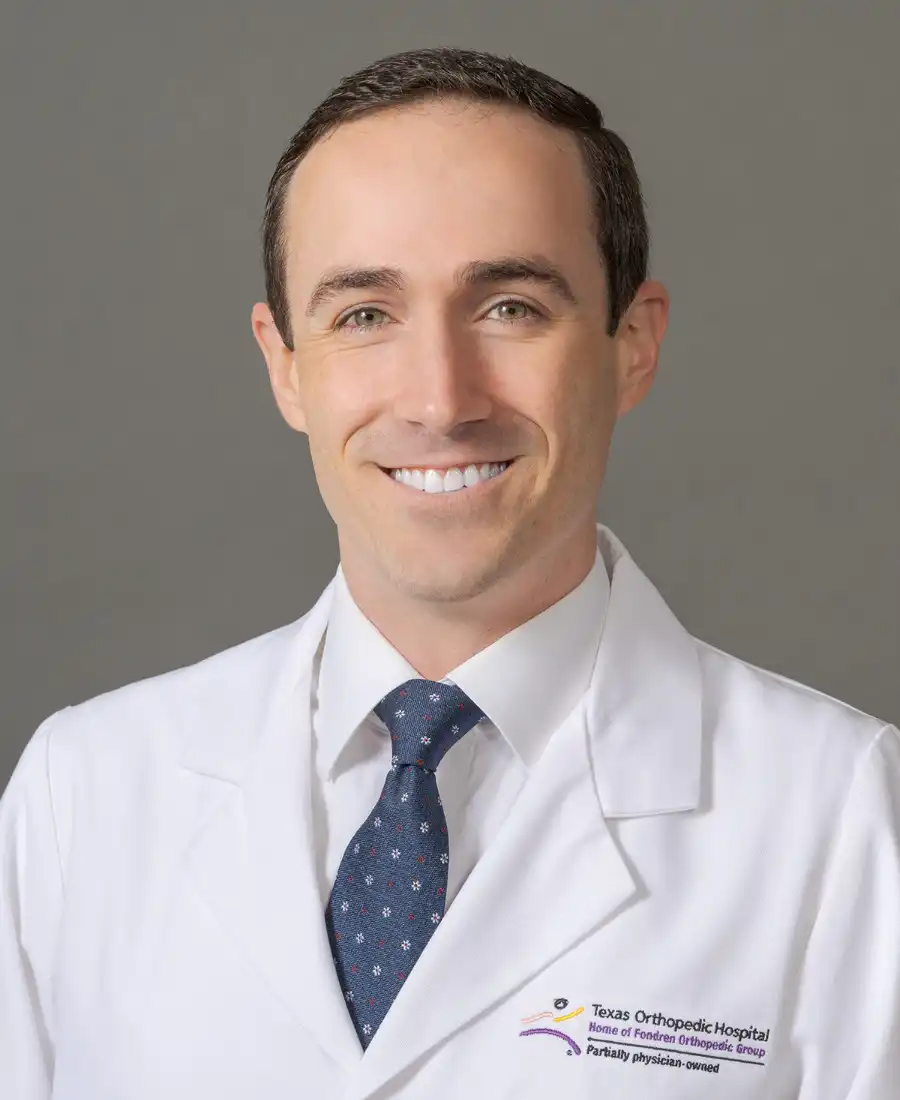
Dr. Jack Wong: all right welcome guys this is Dr Wong with Next Level Regenerative Physical Therapy we’re starting a brand new series of the best health care providers of Kingwood Texas I’m super excited today I got my colleague joining us Dr. Drake LeBrun for those of you who don’t know him he is part of the Fondren orthopedic group he is a orthopedic surgeon that specializes in hip and knee replacement surgeries welcome to the show Dr. Drake LeBrun
Dr. Drake LeBrun: Dr Wong thank you so much for having me I’m super excited to be here super excited to have this chat with you
Dr. Jack Wong: yeah for sure before we get into the meat and potatoes of all the questions that my patients asked me through years you know about their knee and hip operations I just kind of want to know um what made you decide to want to become an oric surgeon
Dr. Drake LeBrun: yeah so it’s a it’s a good question so I was um I was a undergrad at rice here in Houston and at that time I thought that I wanted to do tumor surgery like my mom had had cancer she is a cancer survivor I thought I was going to be taking tumors out of people I want to be a surgeon from a very young age I thought it’d be cool to help people and use my hands to be able to do that so I thought I want to be a tumor surgeon then I had the opportunity after rice to travel abroad for a year actually and through South America southeast Asia Europe subsaharan Africa and what I was focused on was understanding how surgery is delivered in low resource settings and one of the first things I did during that year I actually was a translator for a group of American surgeons who were coming down to Peru in the Amazon rainforest to provide Orthopedic surgical care to this community in sort of a isolated region in Peru so I was a medical translator essentially and that was the first time I ever saw an orthopedic surgery and it was actually a hip replacement I remember vividly this patient it was like a he was about 40 45 a younger guy uh he had been a barber and uh the the so Breadwinner for his family he got in a car accident broke his hip there was no Care at the time to be able to address his hip so he just went on to develop what we call non-union where his his hip never healed so he couldn’t walk so this group of Surgeons comes down to Peru identifies him as a surgical candidate gives him a hip replacement I remember seeing the case took an hour I remember seeing the patient the next morning up walking around whole life had changed right and from that point on I realized Orthopedic surger is a very powerful thing right hip and knee replacement can change people’s lives it’s a quality of life procedure right and it can make people’s quality of life significantly better so from that point onward I was Orthopedics all the way you know I went to med school I entertained everything but but it was Orthopedics was sort of what what Drew What drew me to really make a difference in in people’s lives and so uh from that point onward I wanted to be an orthopedic surgeon
Dr. Jack Wong: yeah that’s amazing that um you know I met a lot of healthcare providers throughout my my career and you know a lot of times the ones I meet they have such amazing stories of how they got started and usually it’s because they experienced something that you know traumatized them and they decided to go on medicine or they’ve seen something that changed someone’s life and decid they want to be part of that so that’s that’s a great story I love it so in the orthopedic surgery world uh what makes you different from other orthopedic surgeons
Dr. Drake LeBrun: yeah so you know I think a lot of it comes down to my training and and so I mean you’re you’re from New York right so you you know this Hospital well but I I trained at the hospital for special surgery in New York City and and I know you know this but hospital for special surgery sort of the mecca of Orthopedics in the states it’s you know on the rankings it’s the number one Orthopedic Hospital in the states number oric Hospital in the world I mean they do a lot of hip ande replacement there and the people who taught me are the ones that really pushed the envelope in terms of advancing patient care for hip and knee you know many of them designing and we put into patients they designed the robots they’re the ones teaching all over the world so they’re the ones that taught me how to operate and so I I come with that background and then after after my training in New York was done I was actually given the opportunity to go abroad and uh I I received What’s called the Mueller European traveling Fellowship so I actually went to Europe for a few months and got to learn from Master surgeons in Europe so I went to Germany Italy Switzerland the UK and I got to take you know the best of New York the best that that the states had to offer and then the best of what Europe had to offer and sort of consolidate that into my own practice so that’s that’s what I bring to to Kingwood and Houston is sort of a mix of these different techniques the best of New York the best of of Europe coming together here so that’s sort of that’s sort of what I bring to the table as a surgeon
Dr. Jack Wong: do you find that the techniques that we use in the States versus internationally are different or they’re you know very similar
Dr. Drake LeBrun: it’s a really interesting question I think in some ways they’re they’re very similar right so so um you know the the implants the robotic platforms they’re pretty much the same uh between the states and Europe there are there are more like subtle things that that people do in Europe that I had not seen in the States you know like Perry so so you know injecting uh anesthetic around the joint replacement like in surgery so that when the patient wakes up they’re not in a ton of pain and seeing different techniques for how to do that that wasn’t necessarily done in the states um and then and then in terms of the more like complex surgeries um there you know I’ve in Germany I visited the primary joint infection Center of Germany where pretty much all the joint infections go to this one hospital and that’s like their specialty that is what they do day in and day out and so I got to sort of learn their techniques which are a little bit different very efficient techniques to deal with infection a really tough problem in a hip replacement or a KNE replacement so that mostly similar but there are some unique differences between the two
Dr. Jack Wong: you know in the healthcare world today you know one of the common complaints we get from patients is that you know sometimes you know doctors or Physicians can be you know one- minded right and you know we have patients that like I always want to go to younger doctors because they know the newest technology out there and and you definitely bring that to light because you not just know how the states does things you know what they do in Europe and you kind of have this blend of like well depending on his patient like am I more towards you know the states philosophy or the European philosophy right or do I need to do like a and and I think that’s makes you very versatile from a skill set perspective because not everybody’s hip or knee is you know the same right when you’re operating on them and every case is a little different too so that’s definitely a very unique thing that you bring to the table for sure right I one one of my one of my mentors once told me that you know there are a lot of different ways to do things in Orthopedics as you’ve seen right there are different ways to do new replacement different ways to do a replacement and he he told me that you know if there’s one best way then every surgeon would do it that way right the reality is a lot there a lot of different ways of doing things I’ve seen a lot of those different ways I can do them and I think what what I will try to do is sort of tailor what I offer to the patient given their specific situation given what their knee looks like given what their skin looks like given their medical problems right and sort of tailor it according to that specific patient it’s not a one- siiz fits-all procedure
Dr. Drake LeBrun: you know we do something very similar to our Clinic as well where you know everybody comes in with hip or knee pain well the cause is different so the program has to be different as well right um so I love that you definitely uh mentioned that for sure so uh Dr. LeBrun can you tell me about your ideal patient yeah so ideal patient I mean you know motivated patients do better right so so a patient who’s who’s motivated who has goals like th that patient is going to do better than a patient who doesn’t have those goals right so so ideally I want a patient who is wanting to return to a quality of life they know they could still achieve and their their knee is just getting in their way and they’ve tried everything else and it’s just not working like that is the type of patient who’s a good candidate for a knee replacement right so it’s not my goal to try to sell a knee replacement to anyone right it’s my goal to make sure that patients are informed and so and can able are are then able to make a decision for themselves about whether or any replacing the right thing for them right so my ideal patient is someone who’s motivated who has goals in mind whe whether that goal is getting back onto the golf course getting back to pickle ball getting back to hanging out with their grandkids without pain whatever goal that is I want to help them achieve that right and so that’s really like the ideal patient and what does the process look like to work with you three steps so step one give my office a call and we can meet right so we have a consultation I learn about you as a patient get your history understand the treatments you’ve tried the treatments you haven’t tried take a look at your x-rays physically examine you try to understand what your knee looks like what your knee feels like and then after assembling all that information have a honest discussion about where we go from here right and many times patients haven’t tried all of the different conservative options we have right that might be bracing that might be physical therapy right that might be oral medications topical medications once they’ve tried those and sort of exhausted those options we then move on to you know trying something called an injection so like a steroid injection into the knee right which can provide good but temporary relief and for some patients who have tried that and it’s it worked great but now it’s not working so well that’s the point at which we transition the conversation over to hey maybe we should consider talking about an e replacement and so for that subset of patients that is you know interested in an e replacement we have that conversation you agree that’s the right step moving forward the next step is uh check all the boxes to make sure you’re prepared for surgery both medically and at home right meet with your internist cardiologist pulmonologist whomever and then day of surgery itself right so it’s really three steps meet with me and we decide where to go from there if NE replacement is the right right option for that patient be medically ready for that procedure and then the procedure itself
Dr. Jack Wong: yeah I think education is key right um the more you educate a person the more or they have um better information decide like okay is surgery right option or have I really tried everything I thought I’ve tried already and you know we totally believe in Education First and then letting a patient decide what is the best option right yeah so you know you mentioned you educate them and then you take a look at the X-ray right and then see what they tried or what they haven’t tried right and then see if surgery is a potential option is that the process you pretty much go through pretty much and like I said a lot a lot of patients haven’t haven’t tried everything yet right before before they’re going to knee replacement there’s some subset of patients that’s come and they say look I’ve tried everything like I’m ready I need the knee replacement but most patients they haven’t tried everything right and so for example a patient may have put a little Icy Hot on their knee and they realize when their knee bothers them too much they have to slow down and sit down but they haven’t actually tried physical therapy right they haven’t tried taking Tylenol or and ibuprofen or other nids they haven’t tried injections yet and so a lot of those patients it’s more about guiding them toward what options they have on the treatment ladder and once we get to the very very very top of that ladder that’s when we start talking about newor placement it’s not it’s not always the first visit that we start talking and what does a typical recovery look like after to knee replacement
Dr. Drake LeBrun: yeah so I like to think about it I call the rule of Threes so so rule of Threes for a knee replacement three days you should be walking around the house doing basic activities of daily living so three days after surgery basic activities of daily living in the home right three weeks you should be able to walk outside and weaning off or already off whatever assitive device you may have so that’s a walker cane crutches right so at three weeks basically no assistive device able to walk outside easily three months is where most patients feel like they are over the surgery so that’s 90 to 95% recovery full recovery after an e replacement as as you well know can take a year or more right until patients are 100% there but at three months most patients about 90 to 95% recovered they can get back to all the things they were doing before whether that’s golf or pick a ball or tennis or or what have you um and they can do that with better function and less pain so so that’s that’s the rule of Threes what I like to tell patients is that for the first four to five weeks you may not like me very much because and you can attest this I’m sure your replacement recover is hard right I mean when you see when you see patients in those first few weeks like what are they like they’re cranky they they haven’t slept so well right they’re like oh I’m in pain is this like if this the first new replacement you know they never obviously experienced it before they’re like is this normal you know is this damage right is there infection so yeah it’s tough
Dr. Jack Wong: yeah yeah it’s tough and that’s why I try to tell tell patients before we before we ever do the near placement like look if if we decide to go through this for the first four to six weeks like you’re not going to like me very much right and then if if I’ve done my job well and you’ve done your job well then after that four to six week period you’re going to start to think oh this was worth it but but it’s not like the next day it’s not like the next day the KN feels 100% and you’re like I’m ready to go right so so it’s a it’s a process new replacement is a process and I think one point that confuses people sometimes is knee replacement is a a slower recovery than hip replacement they are not the same procedure hip replacement patients can feel pretty darn good shortly after surgery knee replacement it takes a little bit longer
Dr. Drake LeBrun: yeah I mean it’s funny you mention that because literally when we do evaluations for people coming you know same week or maybe a day after new replacement we tell them straight up like hey you know I’m not sure if your doctor told you this but you’re not going to like us that much but you’ll thank us you know a few weeks from now right like we’re just going through a season of hard and you know not so happy and then but it’s going to go over if you do what we tell you to do right and show for your appointments so I definitely think you know that’s kind of where we dive back to like Education First right if you manage your expectations and you educate them like hey this is gonna happen and if it does happen they’re like all right at least I knew it right and if it doesn’t happen great like I was the lucky ones right but yeah um the rule of Threes is that something you kind of created or someone taught that to you
Dr. Jack Wong: I don’t heard one of my mentors taught it me yeah yeah I was with him in clinic and he he was talking to a patient about what knee replacement recovery looks like and that’s I I just like that to be honest there’s the hip replacement uh rule is Rule of twos so it’s very easy so so hip replacement just replace all those numbers with two instead of three and that sort of shows you how a hip replacement recovery is like obviously these are averages right right so you have some patients who feel great less than three months out from neop we have some Vision who at 3 months still don’t feel that great right so so that’s an average but it’s nice to give people sort of a range of expectations in a ballpark of like all right where am I going to be at three days where am I going to be at three weeks where am I gon to be at three months
Dr. Drake LeBrun: yeah it’s funny mention that because I never heard of rule threes before but usually Pat will ask us like hey how long’s it take and we’ll tell them like hey there’s no like definitive because everybody’s different but typically around 90 days is pretty much where you should feel you know like you’re 90 to 90% you know better and then you know six months to year is what most surg would tell you so we try to imagine expectation right off the bat as well but I’m actually going to might have to steal that one the three yeah go for it yeah for sure what is something that you know a potential patient don’t know about surgery but they should know before getting a total need replacement
Dr. Jack Wong: yeah so that’s a good question I there are a couple misconceptions about about NE replacement and and I think some of them come from patients who got new Replacements a decade two decades ago right even frankly five years ago because we’ve been doing we are doing things very differently now than we were even five years ago right so 5 10 years ago most patients were staying in the hospital for a few days to a week y many patients who had knee Replacements got drains in their knee so they had a little tube going in their knee and it was draining out blood for a day or two and and that means you got to stay in the hospital until that comes out most patients were getting up and walking a little bit a few days out but not that much now it’s very different right so now most patients either go home the day of surgery or the next day right we’re not using drains anymore we’re not putting tubes in people’s legs and and you know having them leave surgery with with that most patients go home the same day or next day they’re up and walking that day right and we’re not we’re not necessarily talking just standing at the edge of the bed like most patients are able to get up walk around maybe walk to the bathroom walk around the hallways of the hospital walk to their car right so that’s a very different uh immediate post-operative period than what it looked like 5 10 years ago and I think a lot of patients are are surprised by that they think they’re going to be in the hospital for several days they’re not right most patients are not in the hospital several days the flip side of that is that something we already talked about they may have heard that you know their friend got a hip replacement and they were they were like back playing with their grandkids two days out and like feeling wonderful right a KN replacement takes a little bit longer for that level of recovery to happen and so the immediate postoperative period is much better than it was 5 10 years ago but the but the entirety of the recovery period still takes a long time I know we briefly spoke about this where some surgeons are telling their patients coming out new replacement to kind of hold off on physical therapy for you know a few weeks and stuff and obviously like we talked about earlier not every patient’s the same so there are some patients that might have to go through little situations where wait a few weeks for PT and some it’s like hey go to PT as soon as possible so can elaborate on you know why some surgeons might feel like that is the more adequate route versus hey let’s get up and go PT right away to you know get your function and strength back up
Dr. Drake LeBrun: yeah yeah absolutely so so the yeah so the rationale for some surgeons to delay PT is that they want to give the knee time to like quiet down and calm down right which which is a reasonable a very reasonable thing um I think what you know you and I have talked about this a little bit sometimes it’s hard to get into a physical therapist office right it’s not always easy right you you you’re busy you’ve got a bunch of patients right and and so it’s important to set that up early and in fact that’s one of the things that I ask all patients before before surgery right one of the requirements on our surgical checklist before surgery is call a physical therapist office get an appointment set up for one to two days after surgery so that you can start right after surgery right that doesn’t mean that the physical therapy is going to be really aggressive at the start right I agree on the importance of keeping it calm and cool after surgery right but you can still be gent working on gentle range of motion and strengthening without aggravating your knee right I’d be I would love to hear your thoughts on this too because because you know this is a subject of of ongoing discussion in the orthopedic Community but I would love to hear your thoughts on on what you think the role of PT is right after surgery
Dr. Jack Wong: yeah so I mean for us you know the first two weeks like you said you know the patient you told patient you’re not going to like me we tell them the same thing right so obviously we know they’re you know inflamed from the surgery they’re not sleeping well they’re in a lot of pain sometimes right they’re groggy so negative side effects of all the drugs that that’s pumped into them obviously so what we try to do is AIC expectations just go super gentle in the first few weeks it’s just a lot of like you know passive range of motion where we you know see what they’re capable of doing and it’s a lot of Education up front of like you know how to move you know out of bed how to get off the tor you know just everyday things I mean obviously the ones that suceed really well are the ones that have a support system but regardless we try to teach everybody as if they don’t have the support system with them 247 right um so then over time they start building that conference and that’s what typically what we do first month is getting that inflammation down as much as we can get some range of motion and just start building conference put a little more weight on that leg because you know their brain’s probably like oh my God my leg’s damaged when we know is to fix the actual joint right so it’s getting the brain to recognize like hey you the surger was to help your body but the brain is in like fire ORF flight mode essentially so it’s just calming the person down mentally physically right so they can have a better outcome like come four or five weeks out
Dr. Drake LeBrun: I think that makes total sense I mean you know one one of the one of the say things that I learned from one of my partners here actually which I really like is you know KN replacement sort of like building a house so my job as the surgeon is to deal with the bones and the implants and so that’s like the foundation of a house right so my goal in surgery is to give you the patient a really good foundation for your house everything that happens after putting up the drywall putting up the walls the frame let you know putting down the carpet the windows all that stuff that’s the work that the patient does after to get back to the function they want and you know their best friend in that process that I found is typically a physical therapist right who who can help them build that house right the foundation may be good but if you don’t put in the work and and you’re not you’re not bending your knee you’re not trying to get strength back the ultimate outcome’s not going to be as good is if you’re really motivated you’re worKingwoodith physical therapists at a reasonable pace and getting getting your motion back getting your strength back getting back to the things you love to do so that’s sort of the the something that I’ve stolen from one of my partners it’s like it’s about building a house right all these gems today
Dr. Jack Wong: no I think that’s awesome um yeah and I might have to use that one as well right because you know like yes we teach exercises but always patients that come in after new replacement you know the last thing they want is more exercises like I just want to get out of pain right and you know what I tell them is like okay I get it right there’s no need to teach you 50 different things like let’s just teach you one or two things super simple and that’s your like foundational exercises right so just like you can go surgery but just know like that’s not the end all be that’s just the beginning of the new chapter of your life you still have to support the actual Foundation right like so to drywall and you’re supporting your joints with like the muscles around it right and they understand that concept and if they really want that quality of life beyond just like you know staying at home be a walk and you know be able to play Pickleball golf or play with grandkids or travel hike or whatnot like you really want to you know take it Beyond just like you know walking exercise because sometimes that’s just not enough right right exactly definitely bring up a good point with that so what’s your thoughts on getting physical therapy before surgery as well as after surgery
Dr. Drake LeBrun: so I think physical therapy before surgery is essential right so so one of the one of the things going back to what we talked about earlier when patients come see me you know one of the first things I ask ask them is what have you tried right have you tried to lose weight right for patients who have lost weight have when your knee hurts do you keep going or do you sort of calm down and stop doing the thing that hurts right have you gone a physical therapy and for patients who haven’t you know I will recommend physical therapy right because the vast majority of the time Physical Therapy will will do one of two things or both right it’ll either help them with their pain right and help them with their function which is the goal of conservative Management in the first place right if their knee is pretty much ready for a KNE replacement already it may at the very least get them ready for surgery right a stronger knee is going to be need that recovers better after surgery right so so and you know with better range of motion that’s going to lead to better range of motion after surgery so I do think physical therapy before surgery is very important to relieve pain improve function and get a patient ready for surgery if that’s something that’s down the pipeline for for sure and then of of course after surgery like we talked about that very
Dr. Jack Wong: yeah yeah definitely yeah that’s why we do a lot of Education right because a lot of times you know back in the day like you said 5 10 years ago you know we never got patients that came to us before surgery right they just like I got my operation doctor said I need phys therapy and here I am but nowadays what we’re seeing is you know we’re seeing patients who are calling in and say Hey you know I heard you know that physiotherapy is beneficial for you know for my need before I get an operation and and what’s interesting is we’ve actually seen patients we did like a little study in our Clinic of patients that seen us before new replacement surgery and then you know after what their um recovery time is versus the ones that H see us after a fact and by and large like at least 60 to 70% of patients that got PT uh with us before the operation came back faster or bounced back faster versus the ones that just waited till after surgery so do you think that most surgeons now are kind of lean towards PT before and after or what
Dr. Drake LeBrun: I think so I I think so C certainly certainly you know at the places that I’ve trained and here we we’re trying to get patients to see physical therapy before like I said for both pain relief better function and also just preparation for surgery absolutely because you know one of the biggest predictors of success like a better range of motion after an new replacement is having good range motion before right and and sometimes sometimes patients will have a really bad looking knee they’ve got bone spurs that are just completely preventing their knee from moving right that’s something that there’s no other way to fix that that’s just something that needs surgery but a lot of times it’s just a neede that’s been painful so they haven’t moved it it’s stiff and we got to get so it’s stiff and it’s weak and you got to get that range of motion back and get it stronger before before you go to surgery so if there’s one main thing you want to be known for what would it be
Dr. Jack Wong: yeah so that’s a good question and I’m going to give you an answer that might sound a little cheesy but what I want to be known for so I went to med school I decided to become a doctor because I I wanted to I wanted to help people with my hands right I want to be a surgeon it’s like I said when I was a kid that’s what I wanted to do so I want patients to know me as the person that they can trust when they have a hip or knee problem and they want to talk to someone about it and they don’t know what the right move is you know so so you know I bring certain technical skills to it to to orthopedic surgery that I’ve learned from New York and and from Europe that I think are are noteworthy and I would like to be known for them but what I really want to be known for is good patient care right you know if a patient goes to a number of surgeon around Houston they’re going to get an excellent near replacement right that is absolutely true part of building that house is having someone they can trust before surgery and after surgery to help them navigate that recovery and I want to be that person right so so picking a surgeon that you trust is one of the most important things you can do in deciding when and how to get into your replacement right so that’s that’s what I want to be known for
Dr. Drake LeBrun: you know there’s so much noise in marketplace now days where you know patients like oh you know I met with like three four different surgeons I’m kind of torn this guy has this certification she has this certification they TR on to this hospital they went here I just don’t know Dr Wong like what what do we do and you know what I tell them is you know because when people come for physical therapy and I tell them hey vet us like go to their clinic and see what they do and compare and see hey who do I feel more comfortable right worKingwoodith right and when it comes to picking a surgeon you know if I was to ever get one like it’s no different right it’s like at the end of the day right they all have the medical license they all done surgeries before right but do I trust this person to you know do what they said they’re going to do and actually you know continue with a plan of care afterwards if I have any questions right especially for people that you know theyve never had a hip or knee D before so of course like their own experience with it is maybe seeing their spouse or their you know parents go through it or their friends and they’re like holy crap like it’s a lot more painful than I thought do I really want that but if they if they have to have it the question now becomes is like well who I really trust to to not just take care of me but also if I have any questions or I might be one of those odd persons that might take you know that full year or maybe longer than year to recover right so you know it’s interesting because a lot of patients always think they’re exception right to the rules like oh am I the only one with this problem like no you’re not but you know when you’re kind of like dealing with it dayto day you know they almost think that they are and that trust is super important you know whether it’s you know choosing physical therapy or choosing surgeon to to operate wrong you know because you know as we know like a knee replacement is not a cakewalk you know it is a invasive you know operation right but with that said it could change your life so yeah I think definitely you hit the the nail and cough on that one at trust being a huge Factor on that
Dr. Jack Wong: yeah what you tell patients about you know second opinions or trying out other physical therapists like I do the exact same thing like you know if the patient either comes to me for a second opinion or they they’re they’re you know maybe I’m going to go see some other surgeon and talk to them too go for it right because like you got to find a surgeon that you trust to take the best possible care of you right and and that’s like one of the most important if not the most important thing you could do in getting ready for a major surgery like an e replacement so I say the exact same thing to my patients so probably one most important question next is how do people get in touch with you easiest way is just call my office so the the phone number um I can provide it but it’s it’s 346 615 9391 you’ll get Riley my medical assistant she’ll answer the phone she’ll be able to answer your questions get you on the schedule if you like you know direct you to where you need to go you can also email my office so it’s lebrunoffice@fondren.com um but the easiest way really is just give us a call cool yeah and um I know you’re bouncing between Kingwood and is that Med Center that’s right
Dr. Drake LeBrun: yeah so so I’ll be in Kingwood a couple days a week Mondays and Fridays that’ll be in the medical center Tuesday Wednesday and Thursday the hospital that I operate at is called the Texas Orthopedic Hospital it’s it’s in the medical center and um I also operated some of the other hospitals in the Kingwood area too
Dr. Jack Wong: awesome thanks so much for your time Dr. LeBrun
Dr. Drake LeBrun:it’s been an absolute pleasure thank you so much for having me